

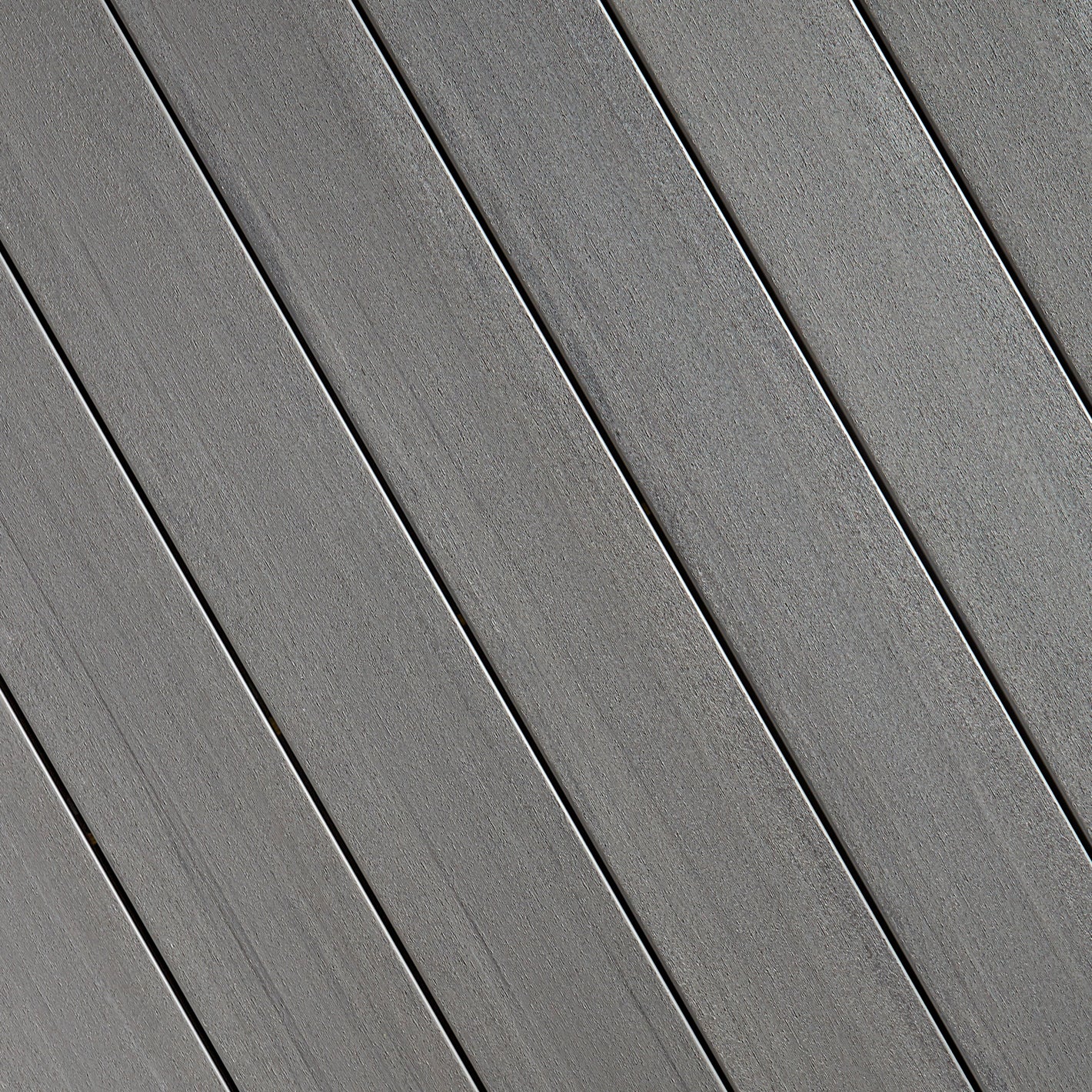
The 10 Pitfalls to Avoid for Your Composite Deck in Quebec
Technical note: Installation details vary by municipality, product line, board profile, fastening system, loads, and site conditions. Use this article as general guidance only; confirm the final design with your local building department, the manufacturer's current installation guide, and a qualified contractor or engineer when structural loads are involved.
Building a composite deck in Quebec is an exciting but complex project. From attaching the ledger board to joist spacing and fastener selection, every detail counts for a durable, safe, and aesthetic outdoor living space. Here's how to avoid common mistakes and ensure an outdoor area that meets your expectations.
"A well-designed deck is the natural extension of your living space." - Magasin de Patio Expert
1. Inadequate Ledger Board Attachment
The ledger board often transfers half of the deck's weight to the house wall. If improperly installed, it can detach and cause a sudden collapse.
Solution
- Use through bolts: they pass through the ledger, the exterior membrane, and the interior joist, ensuring a solid connection.
- Prefer hold-down anchors: these specialized anchors secure the deck and the house's interior structure, eliminating withdrawal risks.
- Opt for stainless steel or double-galvanized bolts to resist corrosion, especially in coastal areas.
2. Incorrect Beam-to-Post Connection
A poor connection can cause the beam to tip and lead to lateral collapse.
Solution
- Create an L-shaped notch at the top of 6x6 posts to house the beam.
- Install metal connectors suitable for the joist size, certified for outdoor use, and corrosion-resistant.
3. Inappropriate Fastener Selection
Non-resistant fasteners rust quickly and lose their grip, compromising the solidity of your composite deck.
Solution
- Choose stainless steel screws or double-galvanized ones.
- Follow manufacturer recommendations (Fiberon, TimberTech, Trex, TruNorth) to preserve the warranty.
- Apply protective tape to the top of joists to prevent water from entering around screw holes.
4. Incorrect Joist Spacing
Improper spacing leads to sagging boards, especially in diagonal installations.
Solution
- Consult the instructions for your composite decking for spacing (often 12" OC for diagonal).
- Ensure at least 1.5" of bearing under each board end for optimal support.
5. Blocked Access and Clearances
A patio should offer smooth circulation to enjoy the space safely.
Solution
- Clear passageways and ensure no furniture or plants obstruct exits.
- Provide compliant and clear stairs to facilitate access and emergency evacuation.
6. Awkward Railing Installation
Poorly secured handrails can give way under pressure, creating a danger for users.
Solution
- Use through bolts and hold-down anchors to secure posts and handrails.
- Avoid nails which loosen over time; opt for robust stainless steel screws.
- Comply with local regulations on railing height and strength.
7. Undersized Post Foundations
Poorly assessed soil and too-small footings can cause posts to heave or sink.
Solution
- Check the local frost line and dig below this depth.
- Size footings and columns (8" thick for the footing, 6–10" diameter for columns).
- Add rebar to reinforce concrete and columns.
- Elevate the post by at least 6" to avoid direct contact with damp soil.
8. Selecting the Wrong Decking Material
Natural wood or composite decking? Each option has its advantages and constraints.
Solution
- Compare your needs: maintenance, durability, UV and stain resistance.
- Evaluate brands like Fiberon, TimberTech, Trex, and TruNorth for their color range (kettle, chestnut, pearl gray) and hidden fastening systems.
- Think long-term: composite requires a simple annual wash, while wood needs cleaning, sealing, and can splinter.
9. Absence of Flashing and Waterproofing Membrane
Without flashing, water infiltrates between the deck and the house, causing rot and damage.
Solution
- Install metal flashing or a synthetic membrane under the ledger board to redirect water.
- Plan for a kick-out to prevent capillary action.
- Do not rely on caulk: it ages quickly under UV and rain.
10. Non-Compliance with Codes and Lack of Permits
Building without permits or ignoring local standards can lead to fines and difficulties in reselling.
Solution
- Consult your municipality's urban planning department and obtain all required permits.
- Check your zone's requirements (side setback, maximum height, railing height).
- Adhere to your homeowner's association guidelines if applicable.
Conclusion
A well-designed deck in Quebec or composite deck requires rigor and adherence to best practices. By avoiding these 10 common mistakes, you will ensure an aesthetic, durable, and safe outdoor living space for years to come.