

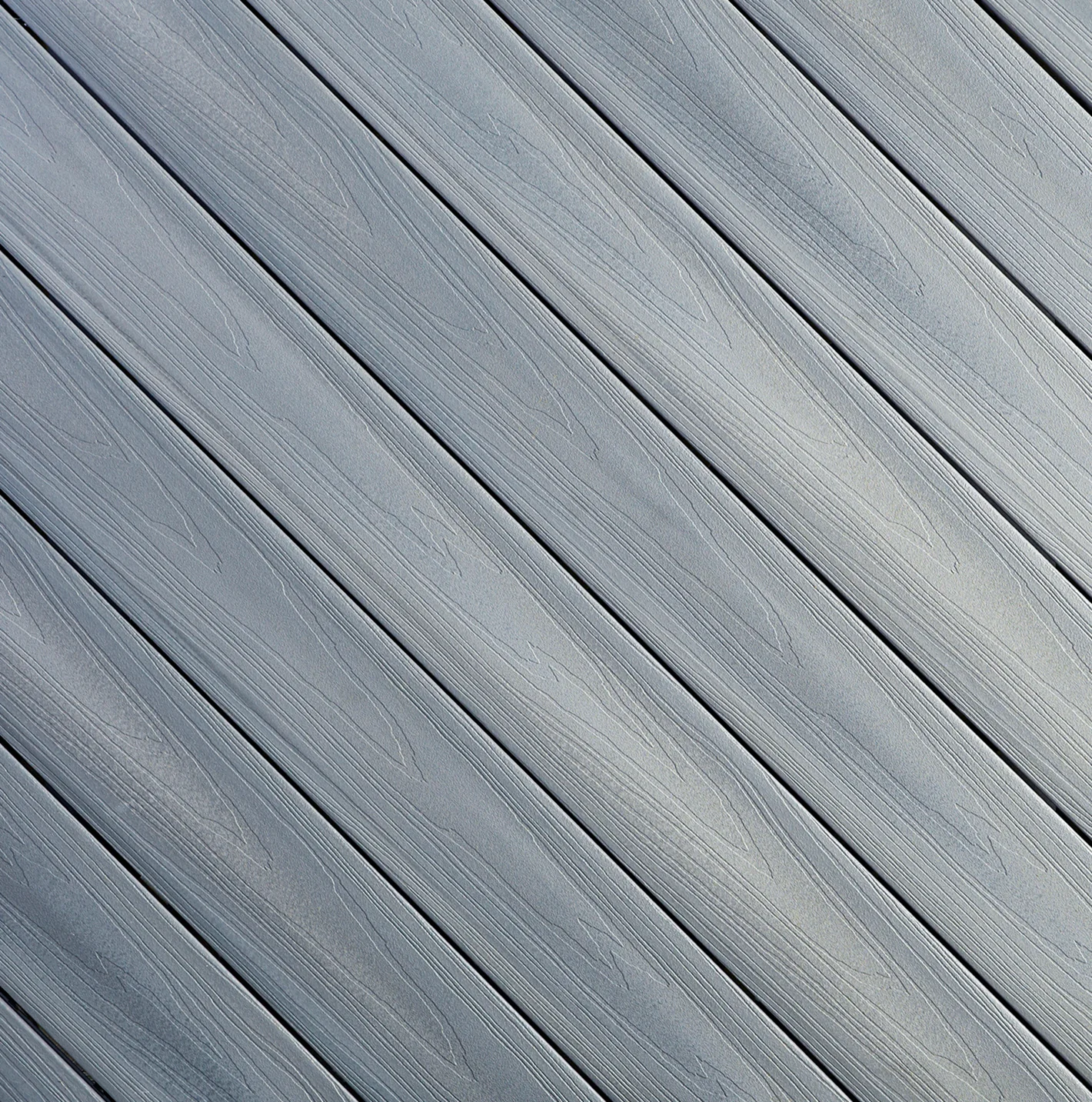
Mastering the details of nosing for your composite deck stairs
Whether you're planning a deck in Quebec or a raised composite deck, the quality of your steps is paramount. Nosing is not just an embellishment: it's a technical element that protects the riser and ensures the safety of your guests. At Magasin de Patio, we guide you step-by-step to achieve this finish with brand-name materials like Fiberon, TimberTech, Trex, or TruNorth.
Why is nosing essential for your outdoor living space?
The nosing plays several roles: it protects the riser from wear, provides additional foot support, and creates a clean visual effect. Well-sized nosing also prevents fasteners from loosening and facilitates rainwater drainage.
- Riser protection: the small overhang prevents moisture from degrading the fasteners over time.
- Increased safety: the rounded or bullnose shape offers a more comfortable grip.
- Neat aesthetics: this insert structures the appearance of your stairs.
"Good nosing is the combination of design and durability for any composite deck project." - Outdoor Design Expert
Key steps for installing nosing on your stairs
We recommend using two deck boards for each step. Here's how:
- 1. Board preparation: select composite boards (from brands like Fiberon, TimberTech, Trex, or TruNorth) with a radius edge profile for a ready-to-use finish. If you're starting with square-edge boards (2x6), a router pass is necessary to round the edge.
- 2. Alignment on the riser: position the boards so that the top face is well supported on the stringer.
- 3. Nosing projection: project the front of the boards by the same thickness as the riser + 2.5 cm (1 inch) to form a protective nosing.
- 4. Fastening: use special composite fasteners, screwed into the horizontal part of the stringer. Be sure to follow the manufacturer's recommended intervals.
- 5. Finishing: check the alignment and regularity of the overhang, then clean the surface to remove sawdust and residue.
Characteristics of radius edge boards from major brands
- Fiberon: shades like Black Walnut or Autumn Chestnut with an integrated rounded profile.
- TimberTech: models like Harvard Slate or Brazilian Walnut with soft edges, ideal for a deck in Quebec.
- Trex: the Transcend collection offers a more pronounced and non-slip radius edge.
- TruNorth: sturdy Weathered Ash boards, ready to install without needing a planer.
Advantages of installing properly calibrated nosing
Nosing crafted with expertise enhances your deck and optimizes its durability:
- Professional aesthetics: sophisticated finish.
- Easy maintenance: less dirt accumulates under the nosing.
- Longevity: riser protection against water and impacts.
Ready for your decking project in Quebec?
Contact Magasin de Patio today to benefit from our expertise in outdoor design. Our advisors will help you choose the right composite boards and plan the finishes for your stairs.