

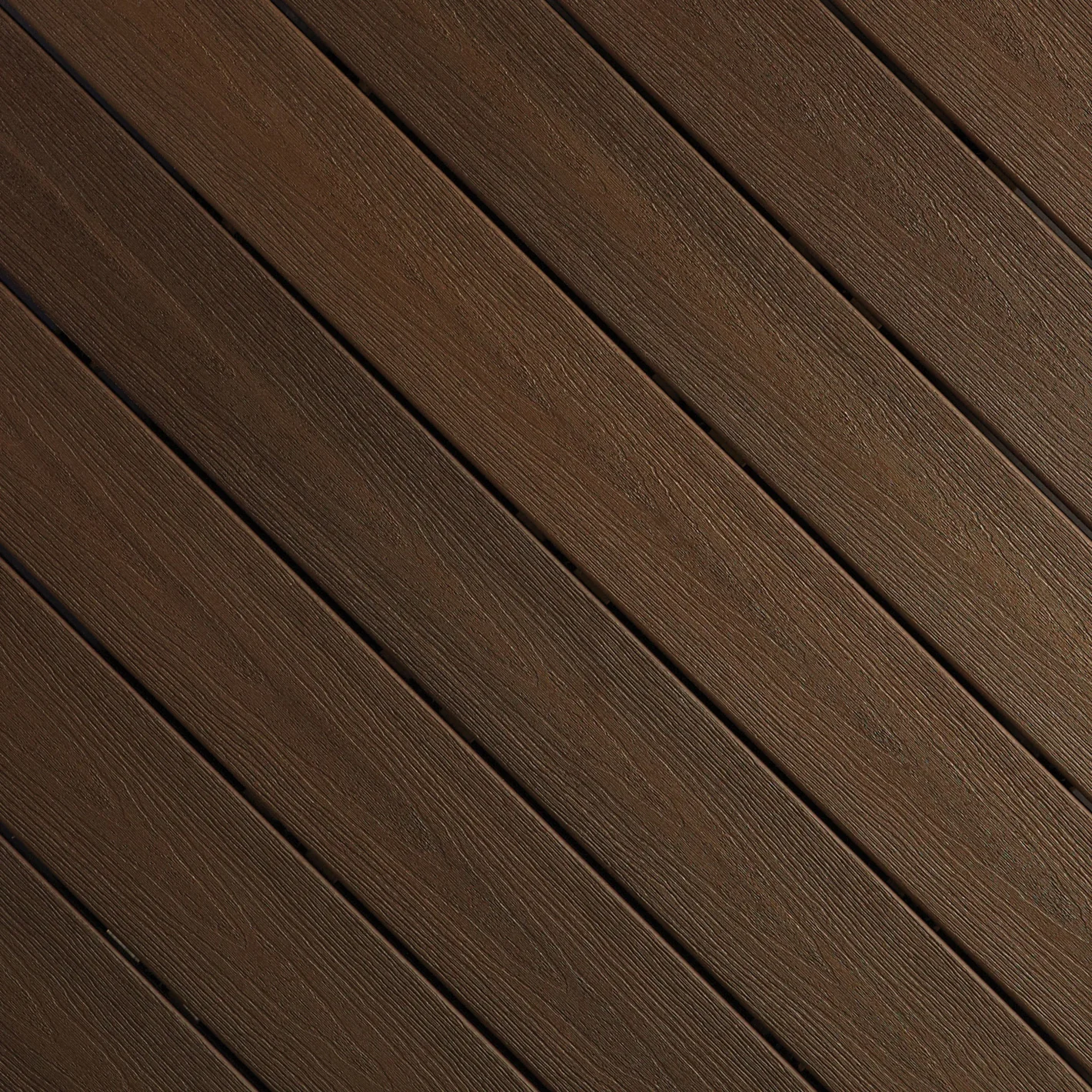
Protect the Longevity of Your Composite Deck in Quebec
Technical note: Installation details vary by municipality, product line, board profile, fastening system, loads, and site conditions. Use this article as general guidance only; confirm the final design with your local building department, the manufacturer's current installation guide, and a qualified contractor or engineer when structural loads are involved.
In Quebec, outdoor landscaping is subject to the whims of the climate – abundant rain, snow, and successive frosts. Even if you choose a high-end composite deck from Fiberon, TimberTech, Trex, or TruNorth for the surface, the wooden substructure can quickly become vulnerable to moisture. In this article, discover why protecting joists and beams is essential to ensure the durability of your deck in Quebec and extend the life of your composite deck.
The Importance of the Substructure
Your deck's substructure, composed of joists, beams, rim joists, and posts, supports the flooring of your outdoor space. When rainwater or melted snow infiltrates between the planks of your composite deck, it runs directly onto these load-bearing elements. Without protection, the wood becomes saturated with moisture and provides a breeding ground for fungi and corrosion of fasteners.
How Moisture Accelerates Degradation
In the open air, unprotected wood begins to rot within 8 to 10 years. The fibers decompose under the effect of wet rot, wood-destroying fungi, and insects. In Quebec, persistent humidity and temperature fluctuations slow down drying, increasing the risk of mechanical weakness and lifting of composite deck planks, even if they are of superior quality like those from Fiberon or TimberTech.
Solutions to Protect Your Joists
Before installing the composite deck, the waterproofing of the substructure must be considered:
- High-performance waterproofing tape: Apply an adhesive bituminous membrane to the top of the joists and beams to prevent water from stagnating.
- Flashing tape: Opt for butyl protection tape, designed to resist UV and corrosion, to extend the life of your fasteners.
- Under-joist drainage system: Install gutters and gables under the structure to drain water away from the framework, thus creating a dry space under your deck.
Why Choose a Composite Deck
Trex or TruNorth composite planks reduce surface maintenance but do not exempt you from caring for the structure. By combining the robustness of composite with a protected substructure, you benefit from a prestigious outdoor living space, resistant to stains, mold, and delamination. Original colors, such as Walnut or Slate, maintain their brilliance thanks to a healthy and ventilated support.
Annual Inspection: A Simple and Effective Gesture
To maintain the integrity of your composite deck, plan a check every spring and fall. On the surface, make sure nothing obstructs drainage: dead leaves, debris, or compacted snow. Underneath the planks, observe the condition of the joists and fasteners. Preventive maintenance at this stage can prevent costly repairs later.
- Cracks in the wood: Sign of extreme drying or forming rot.
- Softening or sagging: Joists bend under weight, indicating weakened wood.
- Discoloration: Presence of dark or green areas, indicating fungi or algae.
- Corrosion of fasteners: Rusted screws and nails, affected by tannins and copper from preservative products.
- Presence of small perforations: Indication of damage caused by wood-boring insects.
"The longevity of a composite deck depends not only on the quality of the planks but especially on the protection and maintenance of the underlying wooden structure." - Magasin de Patio Expert
Maintenance and Best Practices
In addition to waterproofing tape and drainage, apply a water repellent product to exposed, unprotected wood elements of the substructure. Avoid painting the underside of the joists to allow the wood to breathe. Favor light ground cover, such as permeable pavers, under your deck to limit water and soil splashes onto the beams.